
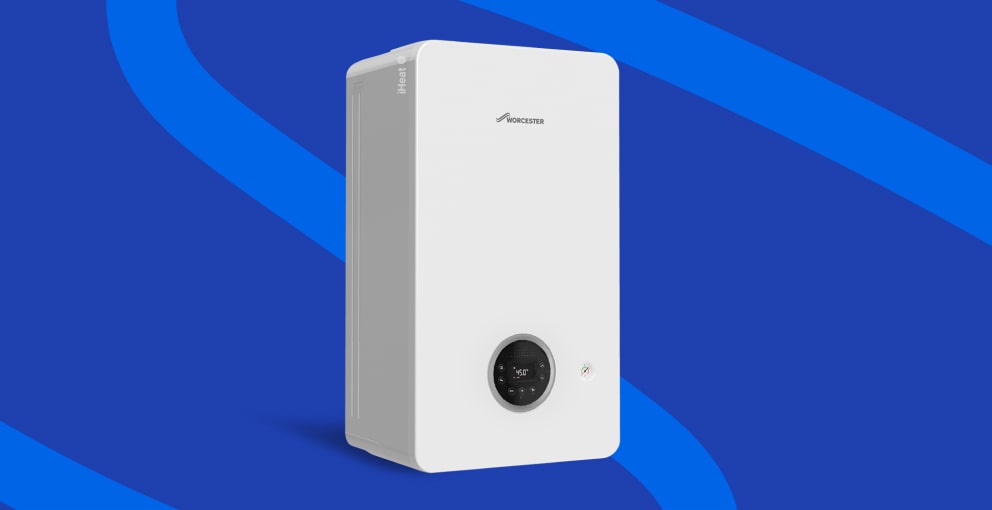
A boiler filter guide is important for homeowners who want to protect their central heating system, improve boiler performance, and reduce the risk of sludge-related problems. Boiler filters help remove dirt, rust, magnetic particles, and debris from the water circulating through radiators, pipework, and the boiler.
Over time, central heating systems can collect sludge and metal particles. If this debris is not controlled, it can block pipes, damage boiler parts, reduce heating efficiency, and cause radiators to heat unevenly. This boiler filter guide explains what boiler filters do, the different types available, how to clean them, their benefits, UK cost expectations, and when to call a professional engineer.
For replacement filters, valves, pumps, and heating components, visit our boiler parts section.
What Is a Boiler Filter?
A boiler filter, also called a central heating filter, is fitted to a heating system to catch debris before it reaches the boiler. Most boiler filters are installed on the return pipe, where water flows back into the boiler after travelling through radiators and pipework.
The main purpose of a boiler filter is to protect the boiler from sludge, rust, scale, and magnetic particles. These particles can build up inside the heating system and reduce water flow. When water cannot move freely, the boiler has to work harder, which can increase energy use and wear down internal components.
This boiler filter guide is especially useful if your radiators have cold spots, your boiler is noisy, or your heating system has not been cleaned for a long time.
Why Are Boiler Filters Important?
Boiler filters are important because they help keep your heating system cleaner and more efficient. A clean central heating system allows hot water to move more freely, helping radiators warm up properly and reducing unnecessary pressure on the boiler.
Without a boiler filter, sludge and metallic debris can move around the system and settle inside radiators, valves, pumps, and heat exchangers. This can lead to poor heating performance, cold radiators, strange boiler noises, pressure issues, and expensive repairs.
A good boiler filter can help with:
- Protecting the boiler from sludge
- Improving heating system efficiency
- Reducing the risk of blockages
- Helping radiators heat more evenly
- Supporting longer boiler lifespan
- Reducing unnecessary boiler strain
- Lowering the chance of costly breakdowns
If you need professional fitting, servicing, or a new boiler setup, see our boiler installation and customisation service.
Types of Boiler Filters
There are different types of boiler filters. The right option depends on your heating system, boiler type, water quality, and how much debris is already inside the system.
In this boiler filter guide, the main filter types include magnetic filters, non-magnetic filters, and combined filters.
1. Magnetic Boiler Filter
A magnetic boiler filter is one of the most common types. It uses a strong magnet to attract and hold metallic particles from the heating water. These metallic particles often come from corrosion inside radiators and pipework.
Magnetic boiler filters are popular because they help reduce sludge buildup and protect important boiler components. They are usually fitted on the return pipe near the boiler.
You can also read this Vaillant magnetic boiler filter guide to understand how magnetic filters help collect sludge and debris in heating systems.
2. Non-Magnetic Boiler Filter
A non-magnetic boiler filter is designed to capture non-metallic debris, such as dirt, scale, and other particles that are not attracted to magnets. These filters are useful when a system contains mixed debris, not just metallic sludge.
Although non-magnetic filters are less common than magnetic filters, they can still help maintain cleaner and more reliable boiler operation.
3. Combined Magnetic and Non-Magnetic Filter
Some boiler filters combine magnetic and non-magnetic filtration. These filters are designed to collect both metallic and non-metallic debris. They offer more complete protection and are suitable for heating systems where sludge, scale, and general dirt may be present.
How Does a Magnetic Boiler Filter Work?
A magnetic boiler filter works by attracting metallic particles from the heating water. As water passes through the filter body, the internal magnet pulls metal debris out of the water and holds it inside the filter.
During servicing or maintenance, the filter can be opened and cleaned. The collected sludge is removed, and the filter is reassembled so it can continue protecting the heating system.
This boiler filter guide recommends checking the filter regularly because a filter full of sludge cannot protect the system properly.
Signs Your Heating System May Need a Boiler Filter
Your heating system may need a boiler filter if you notice signs of sludge, poor circulation, or reduced boiler performance.
Common signs include:
- Radiators have cold spots
- Radiators take too long to heat
- Boiler makes banging, gurgling, or unusual noises
- Heating bills are increasing without a clear reason
- Boiler pressure problems keep happening
- Hot water performance is inconsistent
- Pump or valve problems happen often
- Dirty water comes out when radiators are bled
If you are also dealing with pressure issues, read our Worcester Bosch boiler pressure guide.
How to Clean a Boiler Filter
A good boiler filter guide should always include cleaning advice because a dirty filter cannot protect the heating system properly. Cleaning removes collected sludge, rust, and debris so the filter can continue working effectively.
Many homeowners prefer to have the boiler filter cleaned during annual boiler servicing. However, if your filter is designed for basic cleaning and you are confident with safe heating maintenance, these are the general steps.
1. Turn Off the Boiler
Switch off the boiler and allow the system to cool before touching the filter. This helps reduce the risk of burns from hot water.
2. Locate the Boiler Filter
The boiler filter is usually installed near the boiler on the return pipe. It often looks like a small black or metal cylinder attached to the pipework.
3. Isolate the Filter
Close the isolation valves on both sides of the filter. This stops water from flowing through the filter while it is being cleaned.
4. Remove the Filter Cap or Magnet
Depending on the filter model, you may need to unscrew the filter cap, remove the magnet, or open the filter body. Keep a towel or small container nearby because some water may spill.
5. Clean the Magnet and Filter Body
Remove sludge, rust, and debris from the magnet and inside the filter. Rinse the parts with clean water until the debris is removed.
6. Reassemble the Filter
Put the magnet and filter parts back into place. Make sure the cap is tightened correctly and the seals are seated properly.
7. Open the Valves and Check for Leaks
Open the isolation valves again and check around the filter for leaks. If water drips from the filter body or valves, turn the system off and contact an engineer.
8. Restart the Boiler
Turn the boiler back on and check that the heating system works normally. You may also need to check boiler pressure after cleaning the filter.
How Often Should a Boiler Filter Be Cleaned?
A boiler filter should usually be checked and cleaned during annual boiler servicing. If your heating system is older or has a history of sludge problems, the filter may need cleaning more often.
A newly cleaned system may release more debris at first, so the filter may need an early check after installation. A qualified heating engineer can advise based on the condition of your system.
This boiler filter guide recommends regular filter cleaning because long-term sludge buildup can reduce heating efficiency and increase the chance of boiler problems.
Benefits of Installing a Boiler Filter
A boiler filter offers several useful benefits for central heating systems.
Improved Boiler Efficiency
A cleaner heating system allows water to flow more freely. When water circulation improves, the boiler can transfer heat more effectively and may use less energy.
Better Radiator Performance
Sludge can stop radiators from heating evenly. A boiler filter helps reduce debris buildup, which can improve radiator performance and reduce cold spots.
Longer Boiler Lifespan
Boiler parts can wear out faster when debris circulates through the system. A filter helps protect important components and may support longer boiler life.
Reduced Repair Risk
Blocked pipes, damaged pumps, dirty heat exchangers, and valve issues can be expensive. A boiler filter helps reduce the chance of debris-related faults.
Quieter Heating System
Sludge and poor water circulation can cause noises in radiators, pipes, and boilers. A cleaner system is more likely to run smoothly and quietly.
For more heating advice and boiler support, visit MaxWarmth.
Boiler Filter Cost in the UK
The cost of a boiler filter in the UK depends on the brand, model, filter type, and installation requirements. A basic magnetic boiler filter may cost less than a premium combined filter.
As a general guide, many magnetic boiler filters cost around £70 to £150 for the part only. Installation cost depends on the engineer, pipework condition, system layout, and whether the filter is fitted during a new boiler installation or added to an existing heating system.
If your system needs extra work, such as pipe adjustments, flushing, or inhibitor treatment, the total cost may be higher.
A boiler filter is often a worthwhile investment because it helps protect expensive boiler components and supports better heating system performance.
Should You Fit a Boiler Filter to an Existing Boiler?
Yes, a boiler filter can often be fitted to an existing boiler system. It does not always need to be installed only with a new boiler.
However, the pipework must have enough space for the filter, and the filter must be fitted in the correct position. A professional engineer can inspect your system and recommend the best filter size and location.
If your system already has sludge problems, a boiler filter alone may not fully solve the issue. The system may also need cleaning, flushing, or chemical treatment.
Choosing the Right Boiler Filter
Choosing the right boiler filter depends on your system and the type of debris you want to control.
Before buying a boiler filter, consider:
- Boiler type
- Heating system size
- Available pipework space
- Water hardness in your area
- Amount of sludge in the system
- Filter cleaning method
- Brand compatibility
- Warranty requirements
A magnetic boiler filter is suitable for many domestic central heating systems. However, if your system has both metallic and non-metallic debris, a combined filter may offer better protection.
For advice on parts and compatibility, visit our boiler parts page.
Broken Boiler Filter: What Should You Do?
If your boiler filter is leaking, cracked, blocked, or damaged, you should act quickly. A broken boiler filter can cause water leaks, pressure loss, poor heating performance, and possible damage to surrounding pipework.
Common signs of a faulty boiler filter include:
- Water leaking around the filter cap
- Boiler pressure dropping repeatedly
- Rust or corrosion around the filter
- Filter valves not closing properly
- Heating performance getting worse
- Visible damage to the filter body
If the filter is badly damaged, replacement may be safer than repair. Do not ignore leaks around the heating system because small leaks can become bigger problems.
When to Call a Gas Safe Registered Engineer
You should call a professional if you are unsure how to clean the filter, cannot isolate it safely, notice leaks, or suspect an internal boiler issue.
For gas-related work, boiler servicing, or internal boiler repairs, always use a Gas Safe registered engineer.
Professional servicing is also useful if your boiler filter keeps blocking quickly, the system pressure keeps dropping, or radiators remain cold after cleaning.
FAQs About Boiler Filters
What does a boiler filter do?
A boiler filter captures sludge, rust, metallic particles, and debris from central heating water before they can damage the boiler or block the system.
Do I need a magnetic boiler filter?
A magnetic boiler filter is useful for many heating systems because it captures metallic debris caused by corrosion inside radiators and pipework.
Can I clean a boiler filter myself?
Some filters can be cleaned by confident homeowners, but many people prefer to have the filter cleaned during annual boiler servicing. If you are unsure, contact a professional.
How often should a boiler filter be cleaned?
Most boiler filters should be checked and cleaned during annual boiler servicing. Older or dirtier systems may need more frequent cleaning.
Can a boiler filter improve heating efficiency?
Yes, a boiler filter can help improve heating efficiency by reducing debris buildup and supporting better water circulation.
Where is a boiler filter installed?
A boiler filter is usually installed on the return pipe near the boiler, where water returns from the radiators back into the boiler.
How much does a boiler filter cost?
A magnetic boiler filter in the UK often costs around £70 to £150 for the part only. Installation cost depends on the system and engineer.
Conclusion
This boiler filter guide shows why boiler filters are important for central heating protection, better efficiency, and long-term boiler performance. A good boiler filter helps collect sludge, rust, and debris before they cause blockages or damage important parts.
Magnetic boiler filters are the most popular option, but non-magnetic and combined filters can also be useful depending on your heating system. Regular cleaning and annual servicing help keep the filter working properly.
By following this boiler filter guide, you can better understand when a filter needs cleaning, when it needs replacing, and when professional help is required.
If your boiler filter is leaking, blocked, damaged, or difficult to clean, contact a qualified engineer. For heating parts, boiler components, and maintenance support, visit MaxWarmth.